Wildfire response does not end when the flames are contained. It’s not uncommon for firefighters to spend long shifts working in smoke, ash, extreme heat, and environments filled with burning vegetation, vehicles, buildings, plastics, and household chemicals. Contaminants can remain on protective equipment, apparatus, tools, and skin after crews leave the scene. Years later, a firefighter who receives a cancer diagnosis may struggle to identify which incident or substance contributed to the disease.
California law addresses that uncertainty through a workers’ compensation cancer presumption for certain firefighters and public safety employees. The presumption can make occupational causation easier to establish, but a diagnosis alone does not activate it. The surest path to securing benefits includes finding the best work comp attorney in Riverside. Since claimants must fall within a covered classification, show exposure to a recognized carcinogen during service, and meet the statute’s timing requirements, professional legal help is still key.
Why can wildfire response create long-term exposure concerns?
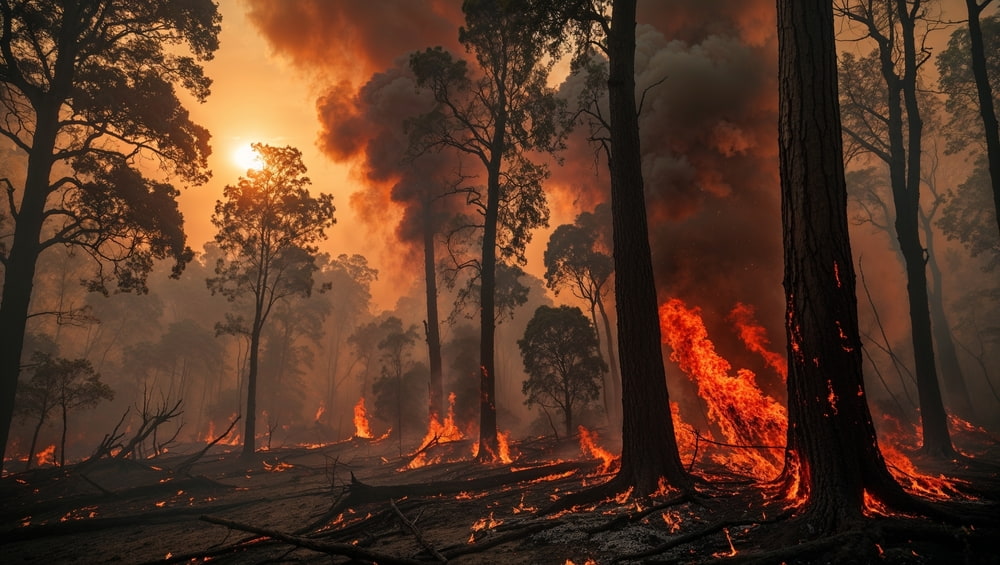
Wildland fires can expose crews to more than ordinary wood smoke. Depending on where the fire spreads, combustion may involve vehicles, utility equipment, treated lumber, building materials, fuel, plastics, pesticides, and other substances.
Exposure may occur through inhalation, skin contact, contaminated clothing, or repeated handling of tools and equipment. FIRESCOPE notes that firefighters encounter carcinogenic agents including combustion products and diesel exhaust. It also explains that structural firefighting gear reduces exposure but does not completely prevent chemicals from reaching the skin.
The risk is not limited to active flame suppression. Mop-up, overhaul, station duties, apparatus exhaust, training fires, and handling contaminated protective equipment may add to a firefighter’s cumulative occupational exposure.
Who may qualify for California’s firefighter cancer presumption?
Labor Code Section 3212.1 covers active firefighting members of city, county, district, municipal, CAL FIRE, and county firefighting departments or units. Volunteers, partly paid firefighters, and fully paid firefighters may fall within the statute when its requirements are satisfied.
The current law also covers certain Department of Defense and NASA firefighters. For injuries occurring on or after January 1, 2026, it includes qualifying firefighters serving FAA-regulated commercial airports. Certain fire and rescue services coordinators employed by the California Governor’s Office of Emergency Services are covered as well.
For Riverside-area firefighters, the relevant employment may involve a municipal fire department, CAL FIRE/Riverside County Fire Department, or another qualifying public firefighting agency. The employee’s actual classification and duties should still be reviewed rather than assuming coverage from the department name alone.
Does wildfire smoke automatically establish a cancer claim?
No. California’s statute includes cancer, including leukemia, as a potential workers’ compensation injury, but the firefighter must demonstrate exposure to a known carcinogen while serving in the covered position. The carcinogen must be recognized by the International Agency for Research on Cancer or by the appropriate California authority.
A firefighter does not necessarily have to identify one fire as the sole cause of the disease. Occupational cancer may result from exposures accumulated over many assignments and years of service. Still, a general statement that firefighting involved smoke may not provide the strongest possible foundation for a disputed claim.
What records can support a Riverside firefighter’s claim?
Exposure documentation created throughout a firefighter’s career may become important long before anyone anticipates a cancer diagnosis. Relevant materials can include:
- Wildfire and structure-fire incident reports
- Dispatch and deployment records
- Hazardous-material response documentation
- Exposure logs and injury reports
- Station and apparatus assignments
- Overhaul and mop-up assignments
- Records of damaged or contaminated protective gear
- Medical examinations and cancer-screening history
- Witness statements from other crew members
- Information about suspected fuels, chemicals, or carcinogens
What benefits may be available for occupational cancer?
An accepted claim may provide hospital care, surgery, medical treatment, disability indemnity, and death benefits under California workers’ compensation law. The effects of treatment may also matter when evaluating permanent disability. California’s Division of Workers’ Compensation instructs medical evaluators to consider impairments caused not only by the cancer itself but also by surgery, chemotherapy, radiation, long-term medication, nerve damage, organ damage, scarring, and other lasting consequences.
The presumption may continue after firefighting service ends for three months per full year of qualifying service, up to 120 months. That extension preserves access to the presumption during the applicable period, but it should not be treated as a universal deadline for reporting or filing every cancer claim.
How can I get in touch with the best work comp attorney in Riverside, CA & beyond?
If you’re looking for the best legal minds specializing in workers’ compensation in the Inland Empire, Workers Compensation OC is the law office you need to contact. Since a firefighter cancer claim may depend on far more than the diagnosis itself, service history, exposure records, medical evidence, and the timing of symptoms can all influence your case. This is where our long track record of success in these types of claims works in your favor.
We will carefully go over your wildfire deployments, incident reports, and claim documents to identify the issues most likely to affect your case. We can also look into conditions that receive special protection for first responders, explore how insurers dispute claims with an existing statutory presumption, and help you understand when PTSD protections apply to public safety employees.
Give us a call to discuss your diagnosis, and we’ll offer advice on the best options available and start the fight for a better future for you and your loved ones. Let’s talk today!